In this story:
- What makes watercolour different from acrylic and oil?
- Why watercolour painting is more than just a hobby
- Watercolour classes for groups and team-building
- Take it outside: painting spots in London worth planning around
- Watercolour painting as a gift experience
- FAQs about watercolour painting classes in London
Some of the best painting classes in London are based around watercolour painting – with good reason too.
If you’ve been curious about learning to paint but aren’t sure where to start, watercolour is one of the most rewarding entry points, and London has a genuinely strong range of classes designed specifically for people with no prior experience. This guide covers everything a first-timer needs to know: what makes watercolour different from other mediums, what you’ll actually learn in a session, what to bring, and how to carry the habit forward once you’ve caught the bug.
Whether you’re looking for a solo creative outlet, a social activity, or the right experience gift, watercolour painting for beginners in London is one of those things that tends to land better than expected.
What makes watercolour different from acrylic and oil?

This is worth understanding before your first class, because watercolour genuinely works differently from most other painting mediums – and knowing why helps you approach it with the right mindset.
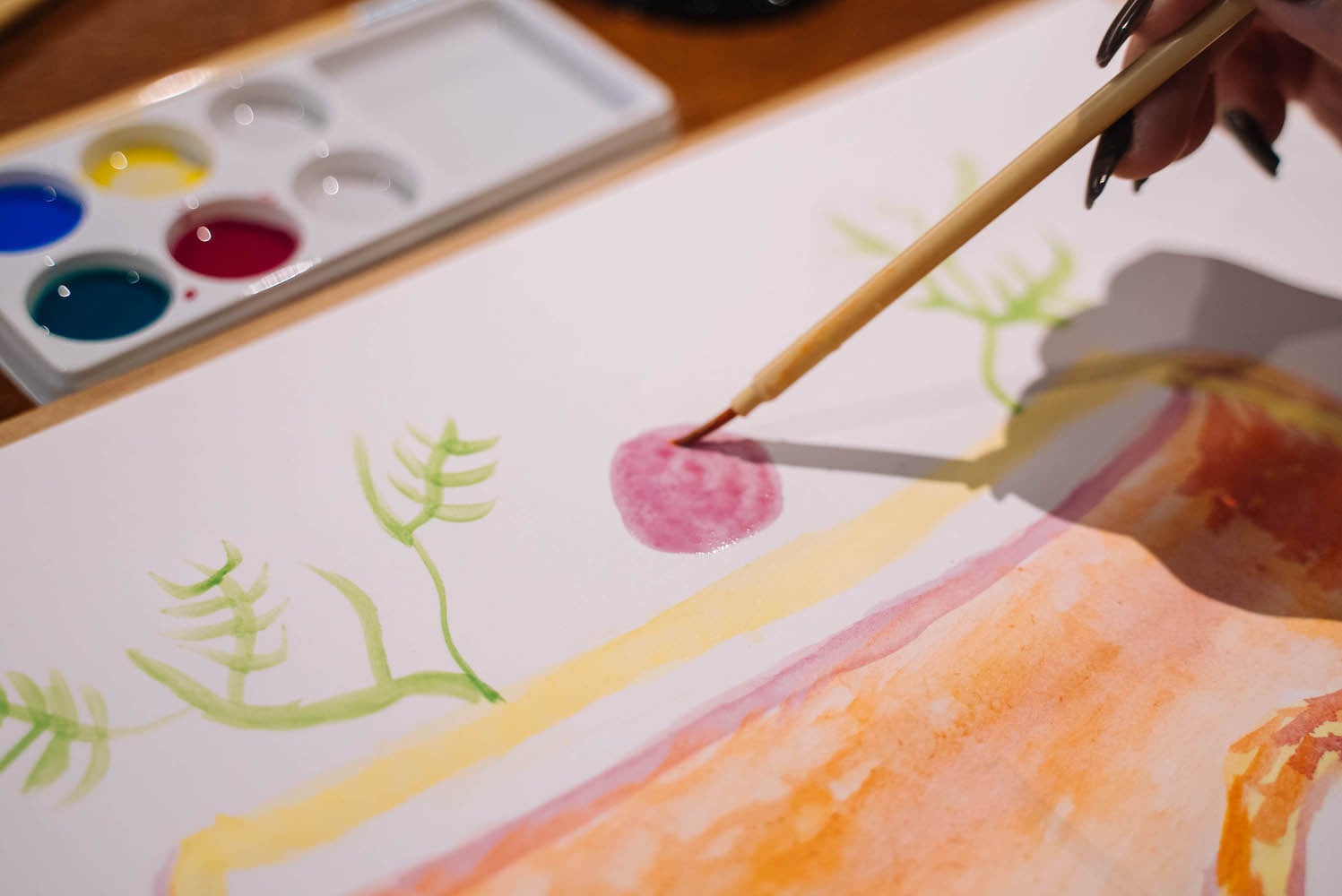
With acrylic or oil, paint sits on the surface and stays roughly where you put it. Watercolour does the opposite: it’s transparent, water-activated, and reactive. The pigment moves with the water, blooms into wet areas, and dries lighter than it looks when wet. Rather than layering opaque coverage over mistakes, you work with the medium’s tendency to spread and blend. That’s part of what makes it both unpredictable and beautiful.
A few practical differences that shape how you paint:
- Watercolour is transparent by nature – you can’t paint light over dark the way you can with acrylics. Highlights are usually planned in from the start (i.e. left as white paper).
- Water ratio is everything. Too much water and pigment floats away; too little and brushstrokes stay visible. Most beginner watercolour techniques focus on learning this balance first.
- Paper matters more than with other mediums. Watercolour paper is heavier and more absorbent than standard paper; using the wrong surface is one of the most common reasons beginners get frustrated.
- Happy accidents are part of the process. The blooms and bleeds that happen when colours meet wet paper are often the most beautiful parts of the finished piece – and learning to work with them rather than against them is one of the key skills you’ll develop.
Experienced oil or acrylic painters often find watercolour humbling at first, which is actually a good sign – it means you’re engaging with the medium properly rather than falling back on habits from other disciplines.
Aspiring artist Chiara Facco learned a lot at her watercolour workshop for beginners in London with Vencho Art, writing:
"I had a lovely time completing my very first watercolour painting that came home with me alongside a bucketload of top-tier knowledge...I highly recommend this class for anyone who is approaching watercolour."
Why watercolour painting is more than just a hobby
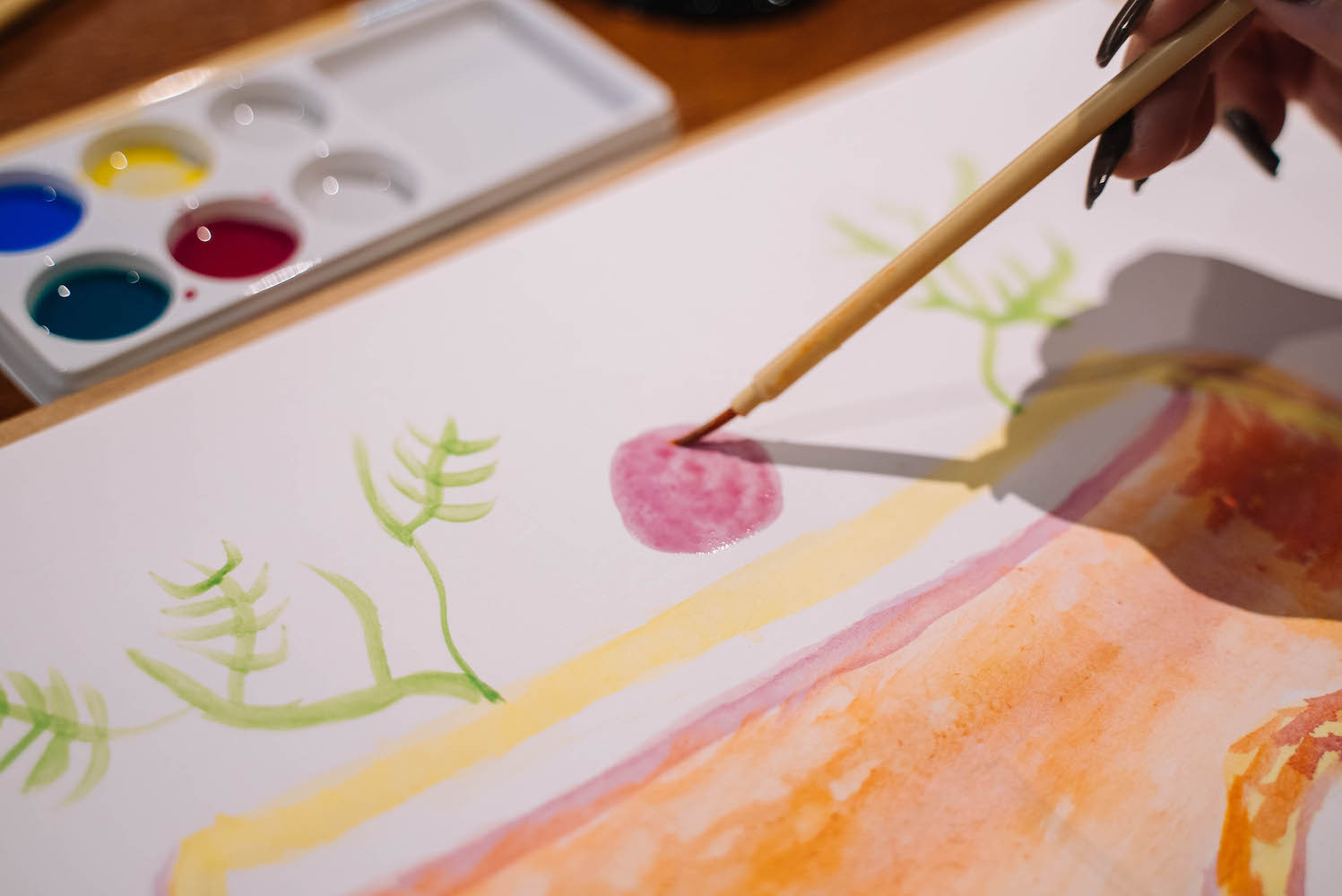
There’s a reason painting keeps coming up in conversations about creative wellbeing. A study by researchers at Drexel University found that 75% of participants had measurably lower cortisol levels after just 45 minutes of art-making — and prior experience made no difference to the result.
Watercolour in particular, with its slow, deliberate pace, lends itself to a kind of focused calm that's hard to replicate elsewhere. The combination of sensory engagement (the texture of the paper, the smell of the paint, the sound of the brush) and the need for present-moment focus tends to quiet the background noise in a way that’s restorative rather than just distracting. It’s not a formal wellness practice – it’s just a couple of hours where you’re absorbed in something that produces something, which is more than most evenings in front of a screen can offer.
Watercolour classes for groups and team-building

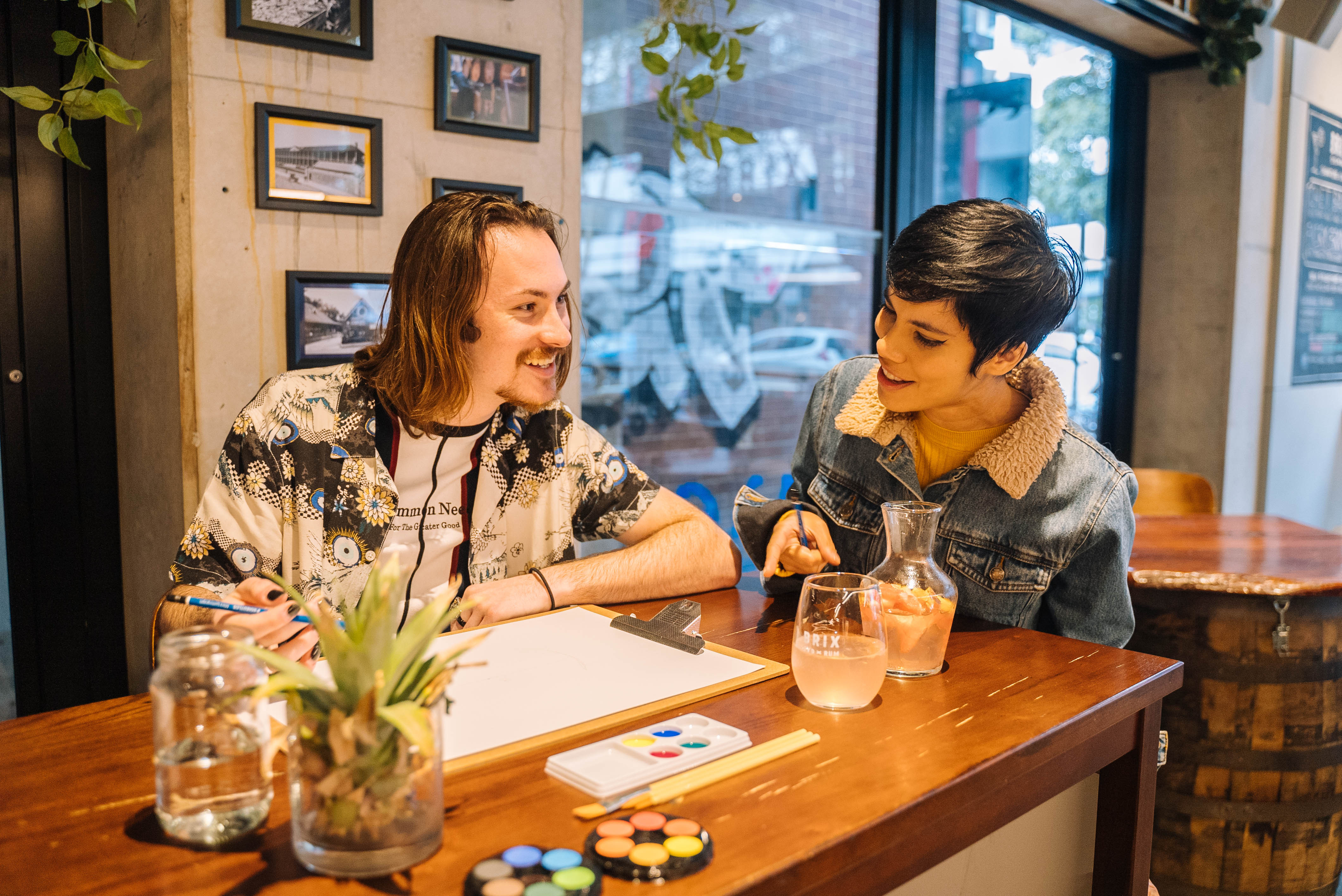
Cementing your work relationships with team activities is so important, and painting together works well as a group activity precisely because it isn’t competitive. There’s no right answer, everyone produces something different, and the process itself – quiet stretches of focus broken up by conversation and the odd mishap – tends to bring people together more naturally than most corporate event formats.
Most London venues can accommodate private group bookings for teams, hen parties, birthday groups, and work away days. If you’re organising something, it’s worth looking for a class specifically built around a group format rather than a public class – a private session gives the teacher more flexibility to tailor the pace and subject matter to the group.
Sam Nicholls and their team did a floral watercolour painting class with Bleur in London and had a blast. Sam says:
"We did this class for a team-building activity, and everyone loved it! The Bleur team were really helpful and accommodating during the booking process, tailoring the class to suit what we were looking for. Eva, who led our session, was absolutely fantastic – she's super lovely and a very talented artist...We booked this class hoping for a low-key activity where we would also have plenty of time to sip and chat, and this was absolutely the case. I'd highly recommend this class!"
Take it outside: painting spots in London worth planning around
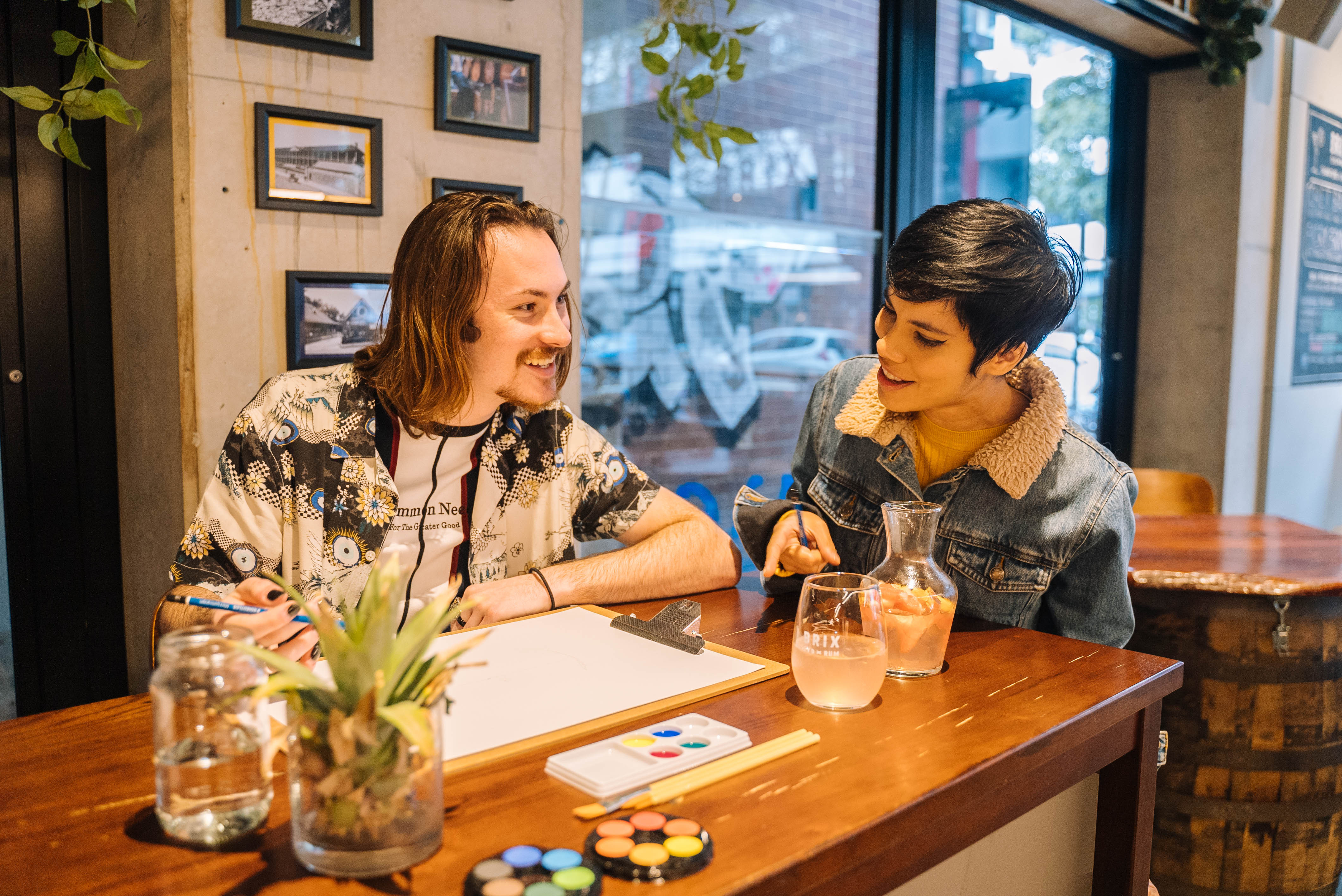
One of the things that makes watercolour a particularly good medium to learn in London is how portable it is. Once you’ve got the basics from a class, a small travel kit – a pocket-sized palette, a water brush, and a pad of decent paper – is all you need to paint anywhere. The city gives you a lot to work with.
A few London locations that work especially well for beginner plein air sessions:
- Hampstead Heath: the elevated views over the city from Parliament Hill make for a natural composition, and the heath itself offers enough variety (trees, ponds, open sky) to keep things interesting across multiple visits.
- Columbia Road Flower Market (Sunday mornings): the colour density here is extraordinary and it’s a favourite subject for watercolourists specifically – loose, impressionistic work suits the market setting well. Go early before it gets crowded.
- The Southbank between Waterloo and Blackfriars: the skyline, the river, and the architectural variety give you a lot of reference material. The low wall along the river walk makes a decent impromptu seat.
- St Dunstan in the East: a bombed-out church in the City that’s been left as a garden ruin. The ivy-covered arches and Gothic stonework are genuinely unusual subject matter, and it’s quiet enough to sit and work in relative peace.
If you want to make a day of it, pairing morning brunch with an afternoon plein air session in one of these spots is a lovely way to spend a day in the capital, whether you're local or from out of town.
Watercolour painting as a gift experience
Experience gifts have become the go-to alternative to physical presents for a reason: they’re harder to forget, and they tend to suit people who are difficult to buy for. A learn watercolour painting London session hits a sweet spot – it’s specific enough to feel considered, accessible enough not to be intimidating, and produces both a finished piece and a new skill to take away.
It works particularly well as a gift for someone who’s mentioned wanting to try painting but never quite got round to it – the class removes the barrier of not knowing where to start. ClassBento gift vouchers cover the full range of painting classes and have flexible redemption, so there’s no pressure to book a specific date upfront.
One ClassBento crafter loved their gift of a beginner's watercolour painting class with renowned artist Alma Tipon of Paperdoll Art Studio in Wimbledon, writing:
"A lovely morning learning about watercolour, a birthday gift from my family. The class was very well set up in a small group with plenty of assistance. We all painted a flower and were introduced to different techniques. A very relaxed setting and friendly staff, thank you!"
FAQs about watercolour painting classes in London
Do I need any experience to join a beginner watercolour class?
No. Classes designed for beginners assume zero prior knowledge. If you’ve never picked up a paintbrush before, that’s exactly who the class is built for. The teacher will take you through everything from scratch.
What should I wear to a watercolour painting class?
The aim is that you be as comfortable as possible during your course so that you can learn to paint with watercolours unimpeded by worries. For this reason, it’s best to arrive in clothes that are casual and that you feel comfortable in. Try to avoid items of great value – we don’t want you worrying about getting watercolour all over your trousers or on a dangling cuff. That way, you can immerse yourself in the techniques and teachings of watercolour art – which, after all, is the reason that you’re there!
Do I need to bring my own materials?
Almost all venues provide everything: paints, paper, brushes, and water. Check when you book, but in most cases you just need to turn up.

 5 years in business
 Runs regularly
 Bank
Bank
 1 to 6 guests
 £79 - £85


 3k followers


How long do sessions typically run?
Most watercolour painting for beginners in London sessions run for two to three hours. Long enough to produce a finished piece and build a feel for the medium; short enough to fit into an evening or weekend afternoon.
Where can I find a class near me?
ClassBento lists watercolour painting classes across London, from central locations to neighbourhood studios further out. You can filter by date, group size, and skill level to find the right fit.