 By Dan Ward
In this story:
- 1. A hands on cookery experience introduces the basics
- 2. You'll be introduced to flavours you've never tried before
- 3. Experience the beauty of community and connection
- 4. Embrace the joy of local ingredients
- 5. Walk away with kitchen confidence you can use forever
- Which culinary workshop should I choose?
- 5 classes to boost kitchen confidence for beginners
- How to prepare for your first chef-led experience
- Ready to Get Cooking?
If you're excited to explore the world of gastronomy in 2026, why not consider joining some cooking classes in the UK – it's a fantastic way to start your culinary adventure! Cooking isn't just about making food, it's about stirring up your passion and creativity too, and whether you're in the bustling city of London or beautifully quirky Bristol, these classes offer a fun way to learn, make friends, and enjoy some delicious food. Grab your apron and wooden spoon – it's time to learn to cook!
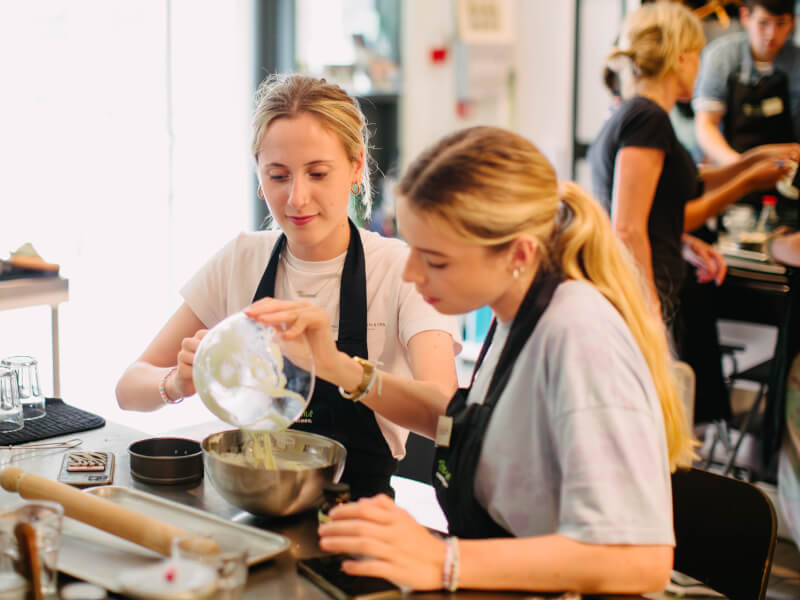
1. A hands on cookery experience introduces the basics
Cooking is such a wonderful skill that brings people together from all walks of life, but if you're just starting out in the kitchen, don't worry. Chef-led experiences are tailor-made for beginners, providing a relaxed environment for you to test things out and have fun. You'll get to start right at the beginning, mastering the basics like chopping, sautéing, and seasoning, led by friendly chefs who are excited to share their knowledge and help you unlock the secrets of cooking.
Top tip:
Don’t worry about mastering perfect knife skills before you arrive. Let the chef know you’re a beginner during the first demonstration; they will gladly show you the classic "claw grip" technique to keep your fingers safe and boost your confidence right from the very first chop.
2. You'll be introduced to flavours you've never tried before
Whether you're drawn to the aromatic spices of Indian cuisine, the rich flavours of Italian pasta, or the hearty British classic, the humble stew, a hands-on culinary experience will let you dive into the flavours you love the most – no matter where they are in the world. You'll head off on a global taste tour, guided by skilled chefs who bring authenticity and expertise to each lesson.
Top tip:
Treat the class like a flavour laboratory. If a chef introduces an unfamiliar ingredient – like a unique chilli paste, a specific citrus zest, or an artisanal vinegar – ask to smell or taste a tiny bit of it before it goes into the pan. It’s the best way to build your food intuition and understand exactly how that single ingredient shapes the final dish.
3. Experience the beauty of community and connection
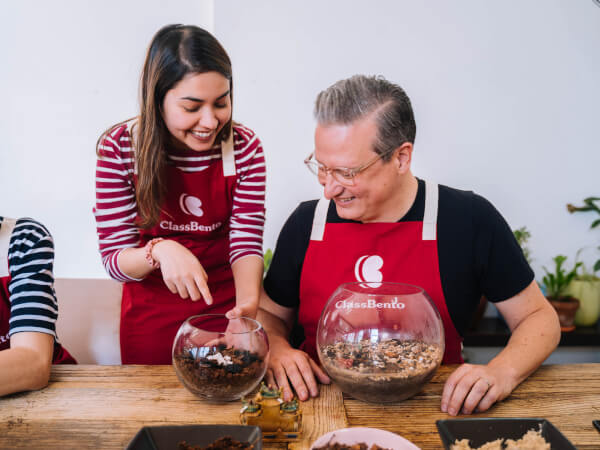
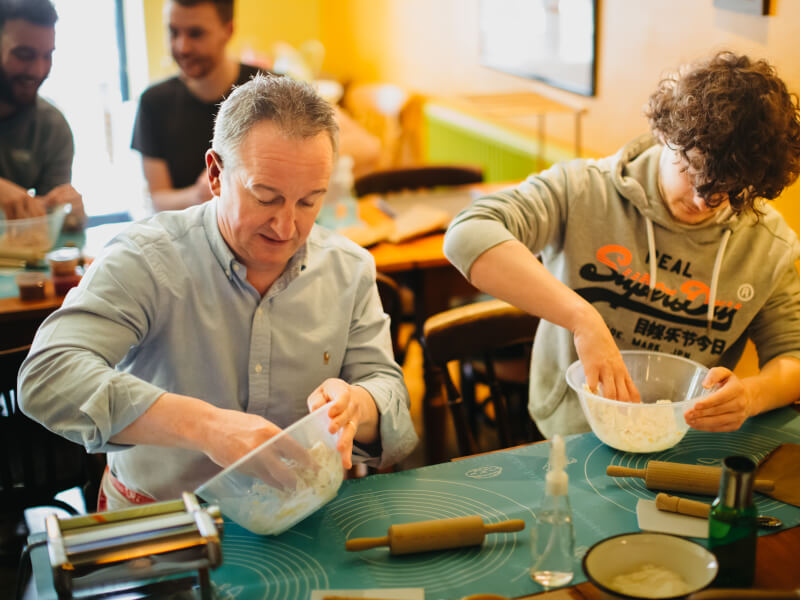
Cooking experiences are so much more than just following a recipe step-by-step; they’re all about the magic that happens when people connect over food. Whether you’re stepping into a bustling, light-filled urban kitchen or a cosy, rustic studio, these workshops are designed to be warm, social, and completely relaxed. It’s amazing how quickly friendships are forged when you’re sharing a stovetop, laughing over a flour mishap, and bonding over a mutual love for all things delicious.
Top tip:
Keep the social vibes flowing by swapping contact info or Instagram handles with your cooking station neighbours before the feast at the end. It's the perfect way to share photos from the day, compare notes when you recreate the dish at home, and maybe even plan your next foodie adventure together!
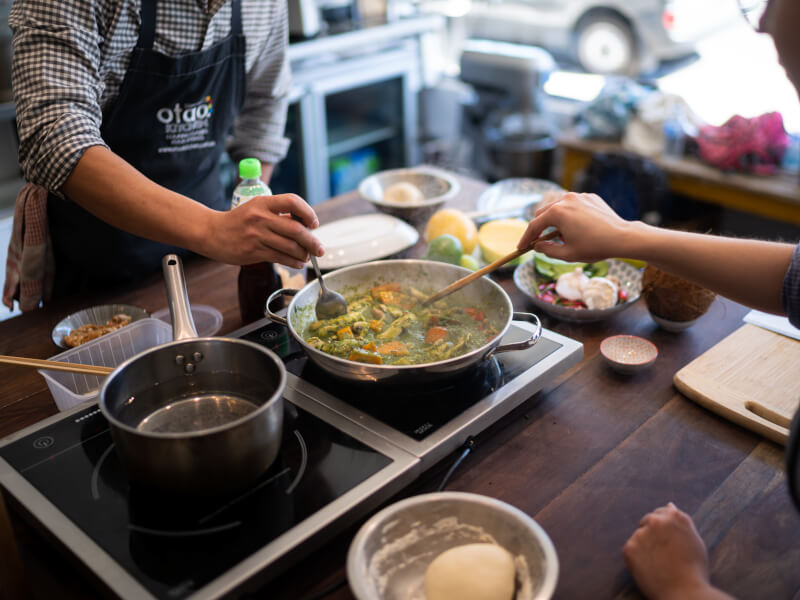
4. Embrace the joy of local ingredients
There's nothing quite like cooking with ingredients that haven't spent days packed in a shipping crate! A professional kitchen experience for beginners is the perfect place to introduce yourself to the incredible world of farm-to-table food, where you’ll get to work with super-fresh, seasonal produce sourced straight from local farmers, growers, and independent markets. It’s a delicious way to elevate your home cooking, add serious flavour to your plate, and show some love to the brilliant local food ecosystems right on our doorstep.


Top tip:
Don't be shy about asking your chef exactly where they source their star ingredients, whether it's a specific local dairy or a hidden-gem organic farm. They love sharing their go-to suppliers, giving you a secret shopping list of the best independent spots to hit up when you want to recreate the dish at home.
5. Walk away with kitchen confidence you can use forever
The absolute best part of learning to cook from scratch isn't just the delicious meal you get to eat at the end – it's the newfound culinary mojo you get to take home with you. You'll head home realising that cooking isn't a stressful science reserved for the pros, but an approachable, creative, and joyful daily ritual. Once you've aced a recipe under the wing of a top chef, you’ll find yourself cooking with way more intuition and less reliance on strict measurements or pre-packaged jars.
Top tip:
Try to recreate the exact same dish at home within a week of taking the class while the sights, smells, and muscle memory are still completely fresh in your mind. It’s the ultimate way to lock in those new skills, and you’ll officially have a shiny new signature dish ready to impress your friends at your next dinner party!
Which culinary workshop should I choose?
If we've whet your appetite but you're not sure which type of cooking experience to go for, we've got a few suggestions to help you on your way!
| Cooking Class Style | Why It’s Perfect for Beginners | What You’ll Learn |
| Fresh Pasta Making | Highly tactile and incredibly forgiving. Pasta dough only requires a few basic ingredients, and learning the muscle memory of kneading and rolling is a fantastic, stress-free introduction to scratch-cooking. | How to balance flour-to-egg ratios, use a pasta crank, and whip up a simple, high-impact sauce. |
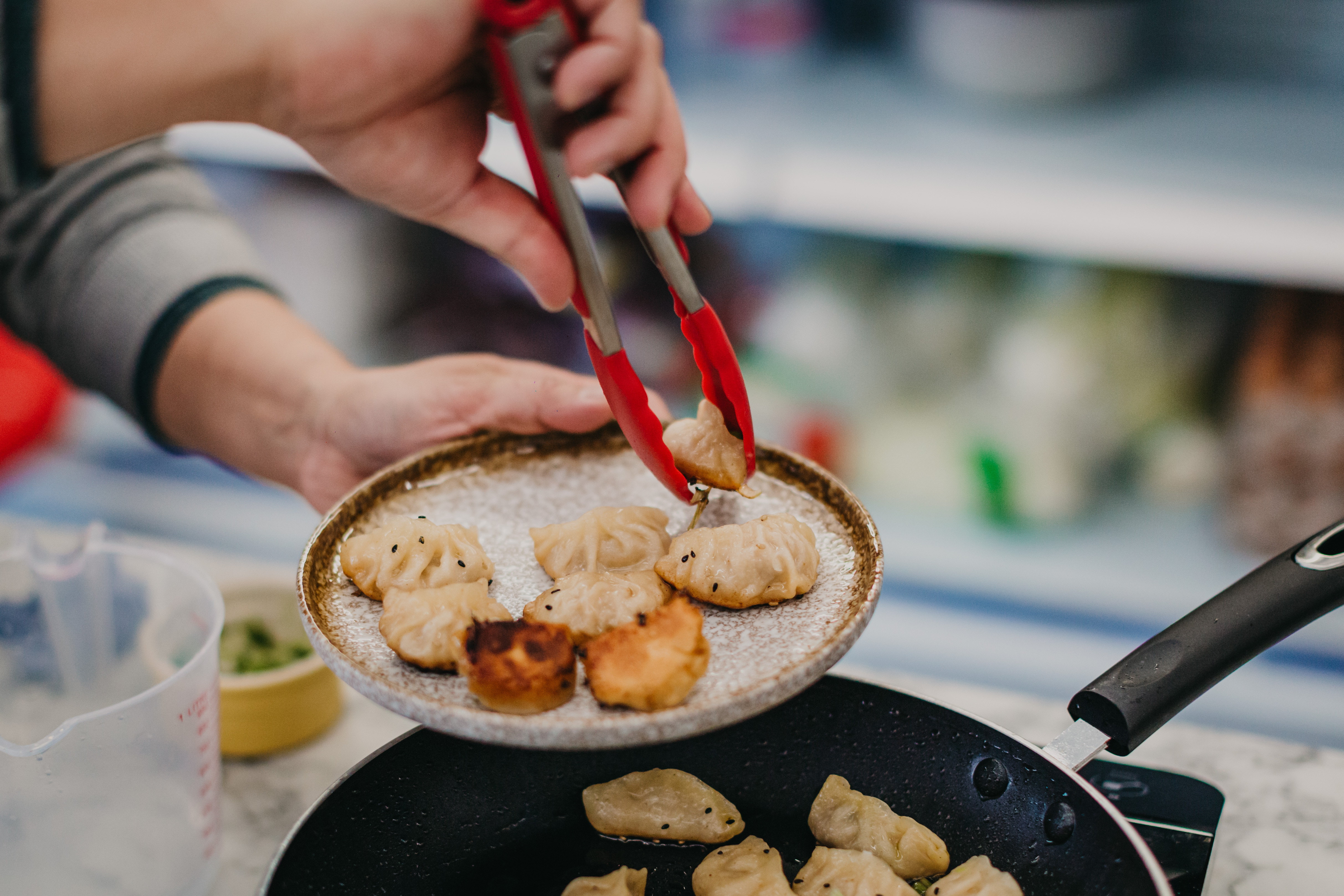
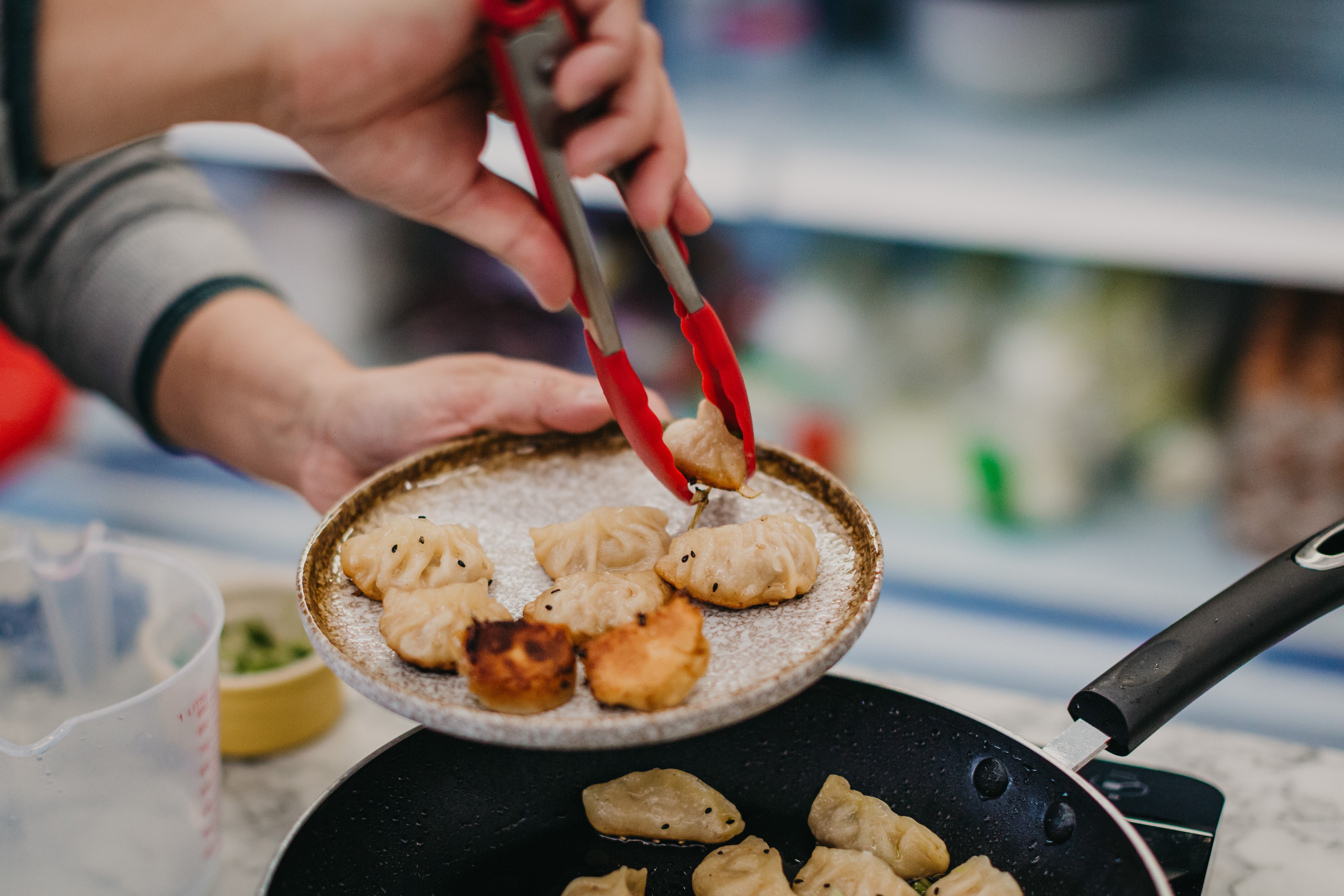
| Dim Sum or Dumpling Folding | It feels more like a fun craft session than an intimidating culinary test. Because the fillings are mixed in a single bowl, the focus is entirely on assembly and mastering a few simple pleating techniques. | How to balance seasoning in fillings, fold beautiful pleats, and master the steam-and-fry cooking method. |
| Pizza Masterclass | Pizza making is universally loved and hard to get wrong. Yeast dough is incredibly satisfying to work with, and the baking process is fast, giving you instant gratification for your efforts. Plus, it's pizza! | The basics of yeast activation, dough fermentation, stretching techniques (no rolling pins allowed!), and heat management. |
| Street Food (e.g., Thai, Mexican, or Indian) | These classes rely on high-impact flavour profiles rather than overly complex knife skills or precise French techniques. It teaches beginners how to build massive flavour quickly using spices and aromatics. | How to balance the core pillars of flavour (sweet, sour, salty, and spicy), proper spice-toasting, and fast high-heat cooking. |
| One-Pot Wonders & Stews | The ultimate confidence booster. Slow-cooking and one-pot meals are incredibly low-stress because everything cooks together, making it nearly impossible to ruin! | The fundamentals of searing meat for flavour, building a rich liquid base, and low-and-slow heat control. |
5 classes to boost kitchen confidence for beginners
Ready to get stuck in? Here's five great classes across the country that will help you take your first steps towards homemade culinary heaven!
1. Sushi making class for beginners in London
2. Beginners Thai cooking class in Brighton
3. Fresh pasta making class for beginners in London
4. Introduction to sourdough bread baking in Manchester
5. Pastry skills workshop in Edinburgh
How to prepare for your first chef-led experience
Stepping into a professional kitchen with an expert chef is incredibly exciting, but a little preparation goes a long way. Here is how to get ready for a seamless, delicious, and fun-filled culinary class:
-
Share dietary requirements early: Inform the host of any allergies, intolerances, or dietary preferences (like vegetarian or gluten-free) well in advance so they can pre-measure the perfect alternative ingredients for you.
-
Dress for a working kitchen: Wear comfortable, breathable clothes and close-toed shoes with good grip. Leave long necklaces or dangling sleeves at home, and bring a hair tie to keep your hair securely tied back.
-
Arrive with a little appetite (but not starving): You will be tasting your creations throughout the session and sitting down to a feast at the end, but cooking on a completely empty stomach can drain your energy. Have a light snack beforehand!
-
Leave the heavy lifting to the studio: Don't worry about packing knives, aprons, or specialized equipment. The chef providing the experience will have a fully prepped station waiting with everything you need.
-
Bring containers for leftovers: Chefs are notoriously generous with portions. Bring a few reusable airtight containers along so you can safely pack up any extra gourmet treats to enjoy the next day.
Ready to Get Cooking?
At the end of the day, learning to cook isn't about perfection or mastering Michelin-star techniques; it’s about embracing the process, enjoying the mistakes, and sharing something delicious with great company. Whether you're looking to shake up your mid-week meal routine, master a cuisine you've always loved, or simply spend a fun, flour-dusted afternoon with your favourite people, a hands-on culinary class is the perfect place to start.
So, tie up your apron, grab a wooden spoon, and get ready to unlock a whole new world of kitchen confidence. Your next favourite dish is just a workshop away!