By Dan Ward
In this story:
If you've ever followed a recipe to the letter, only to pull a flat, dense loaf of bread from the oven or spent an afternoon lovingly crafting a bake that promptly sinks in the middle, get advice from the experts at one of our baking courses in the UK!
Baking is a science, and while recipes give you the ‘what’, they rarely explain the ‘why’. Why does dough need to be kneaded just so? Why is the temperature of your water so important? This is where a brilliant baking course comes in. It’s not just about learning recipes; it’s about understanding the fundamentals, giving you the confidence to bake with joy and get consistently delicious results.
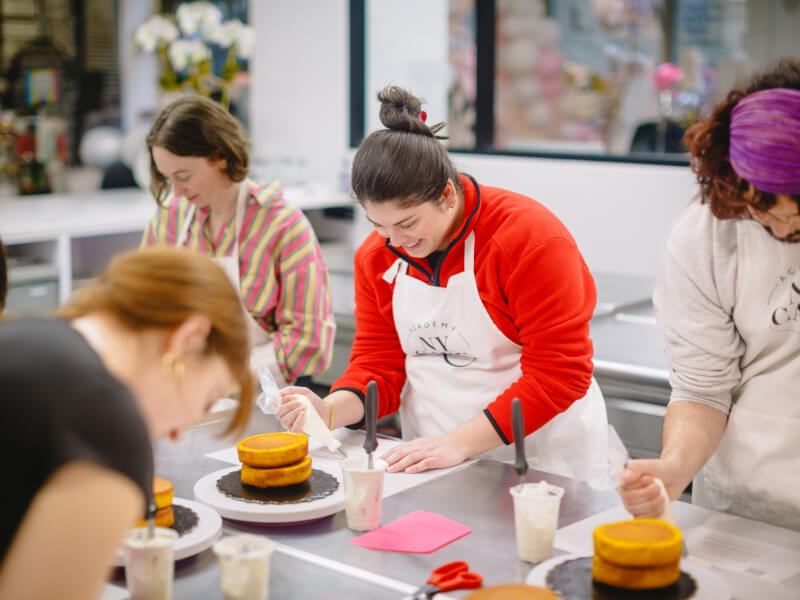
Say goodbye to sad, dense bread with a UK baking class
Your guide to solving common bread-making woes
For many home bakers, bread is the final frontier. It can seem intimidating, and there are a few common culprits that lead to disappointment. A great baking course will demystify the whole process, but here’s a little insight into how to make your bread the best it can be.
-
The problem: My dough didn’t rise. This is the most common heart-sinking moment. The cause is often lifeless yeast. Your yeast could be past its expiry date, or the water you used to activate it was too hot, killing it instantly. A hands-on class teaches you to trust your senses, not just the instructions. An expert tutor will show you how to check your yeast is active before you even start, saving you time and ingredients.
-
The problem: My bread is dense and heavy. A dense loaf is usually a sign of underdeveloped gluten. Gluten is the protein network that traps air and gives bread its structure, and it’s developed by kneading. But how do you know when you’ve kneaded enough? While a video can show you the motion, it can’t let you feel the dough. In a class, you get that vital hands-on experience, learning the tactile difference between a slack, underdeveloped dough and one that’s smooth, elastic, and ready to create a light, airy loaf.
-
The problem: My loaf collapsed in the oven. A dramatic collapse is often caused by over-proofing—letting the dough rise for too long until the gluten structure becomes weak. In a professional setting, bakers learn to perform the ‘ripe test’ to know exactly when the dough is perfectly proofed and ready for the oven. It’s these kinds of professional techniques you’ll pick up in a class, giving you the skills to bake beautiful bread every time. If you're ready to master artisan loaves, a sourdough bread, focaccia and pizza workshop could be the perfect starting point.
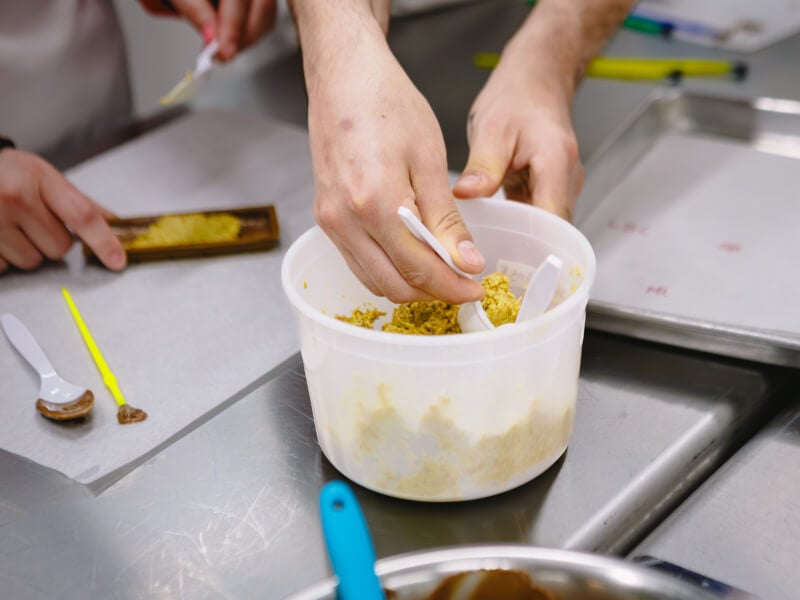
Baking courses let you finally conquer the art of sourdough
How to keep your starter happy and your loaves lofty
Sourdough is the Everest of home baking for many. The key to success is a lively, bubbling starter, but keeping this wild yeast culture happy can feel like a confusing science experiment. Online forums are filled with desperate pleas from bakers wondering why their starter is sluggish or has developed a strange-smelling liquid on top (that’s ‘hooch’, by the way, and it means your starter is hungry!).
A dedicated sourdough baking course is the fastest way to get past these initial hurdles. Many brilliant workshops in Manchester, Birmingham and across the country will even send you home with a portion of their own mature, powerful starter, giving you a brilliant head start. More importantly, they’ll teach you the principles of starter health: the ideal temperature to keep it at (a cosy 23-24°C), how often to feed it, and how different flours can boost its activity. With an expert guide, you’ll learn to read your starter’s signals and gain the confidence to bake incredible sourdough at home.
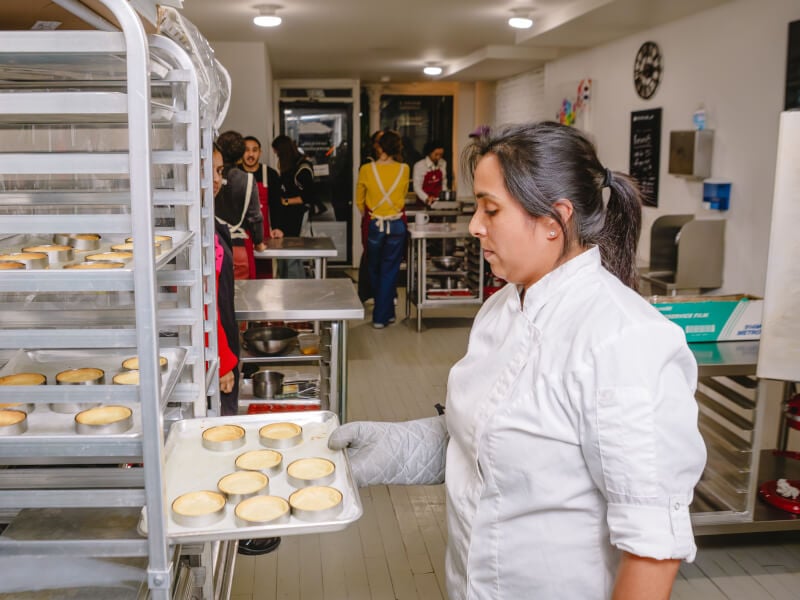


Find the perfect baking course for you
What to expect from a fun, hands-on class
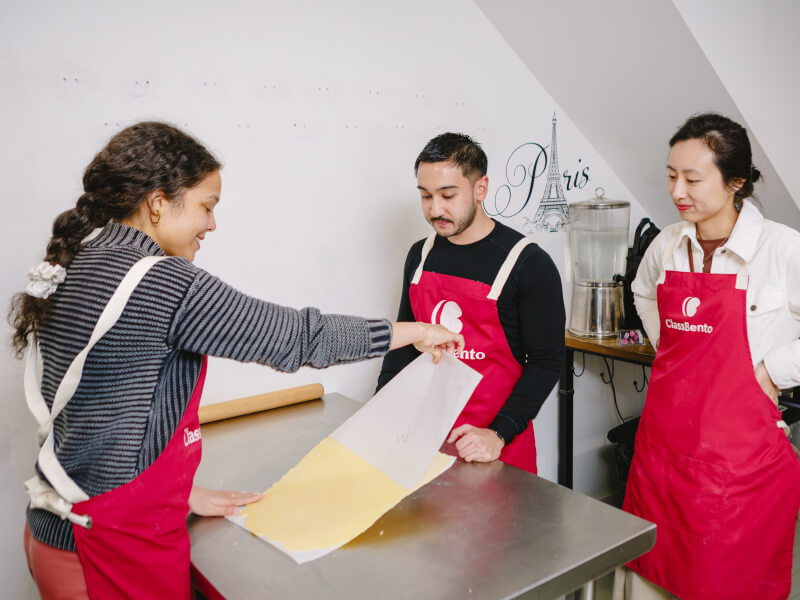
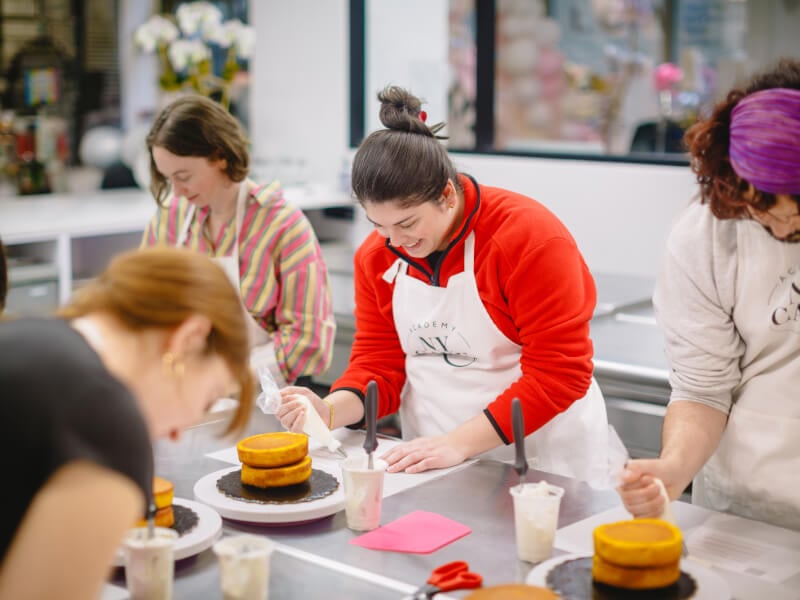
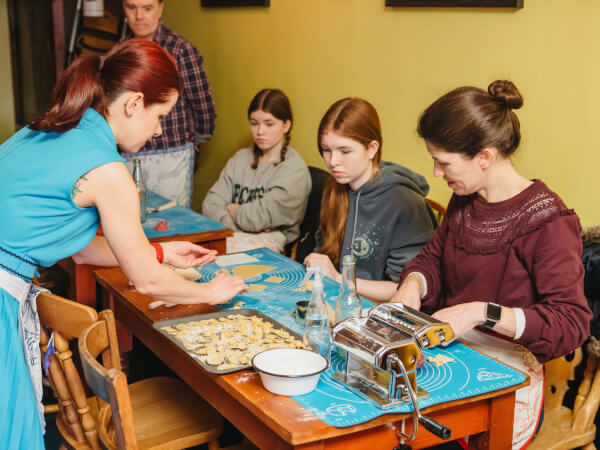
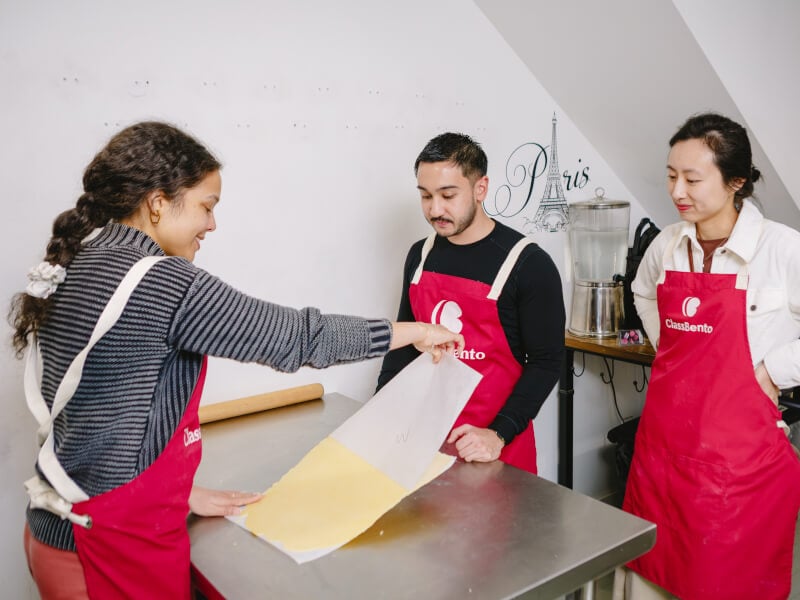
So, what’s it actually like to attend a baking class? Expect a warm, friendly, and supportive atmosphere where everyone is there to learn and have a good time. You’ll work at your own station with all the tools and ingredients provided, so you can focus purely on the joy of baking.
The best part is the immediate, real-time feedback from an expert tutor. They’ll help you correct your kneading technique, show you how to shape a loaf, and answer all your questions as they come up. It’s an interactive, sensory experience that you simply can’t get from watching a video online. You’ll also get to try out professional-grade equipment, like a stand mixer, before you decide to invest in one yourself.
Whether you’re a complete novice or a hobby baker looking to expand your skills, there’s a class for you. From a bread making class with a Great British Bake Off finalist to more specialised workshops, it’s a wonderful way to build your confidence, meet like-minded people, and go home with a box full of delicious, homemade treats.
If you’re ready to end the cycle of baking frustration and start creating bakes you can be proud of, why not look for baking courses near you? It’s a fantastic investment in a joyful, lifelong skill.