By Dan Ward
In this story:
- 1. They walk out wearing something they made
- 2. Anyone can do it — even total beginners
- 3. The piece is properly personal
- 4. It's calming, and you can build in something sentimental
- 5. The keepsake outlasts the class
- 6. It's a calmer, more focused craft than most
- 7. It's surprisingly affordable for a creative gift
- 8. The maker gets the booking
- Which jewellery class is right for them?
- The short version
Looking for the ultimate gift experience in the UK that's both unique and memorable? Consider the art of jewellery making! Jewellery making is one of those crafts that sounds technical until you've done it. Then it's just lovely — a few hours at a bench with a teacher, some wire or silver or beads, and a finished piece you'll actually wear. If you're shopping for someone who appreciates handmade things, here are eight reasons why a jewellery making class makes a great gift in 2026, followed by a practical guide to picking the right technique for the person you're buying for.
1. They walk out wearing something they made
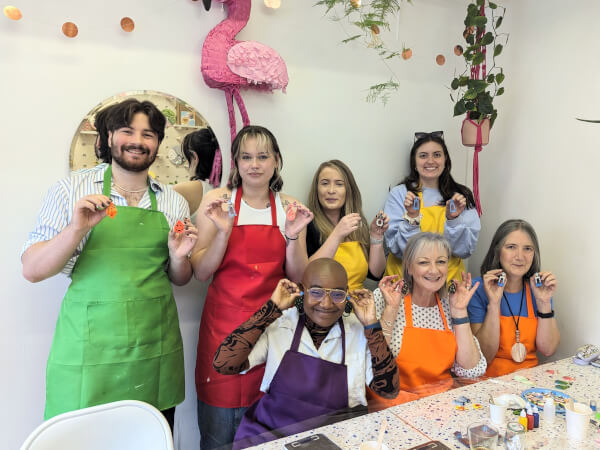
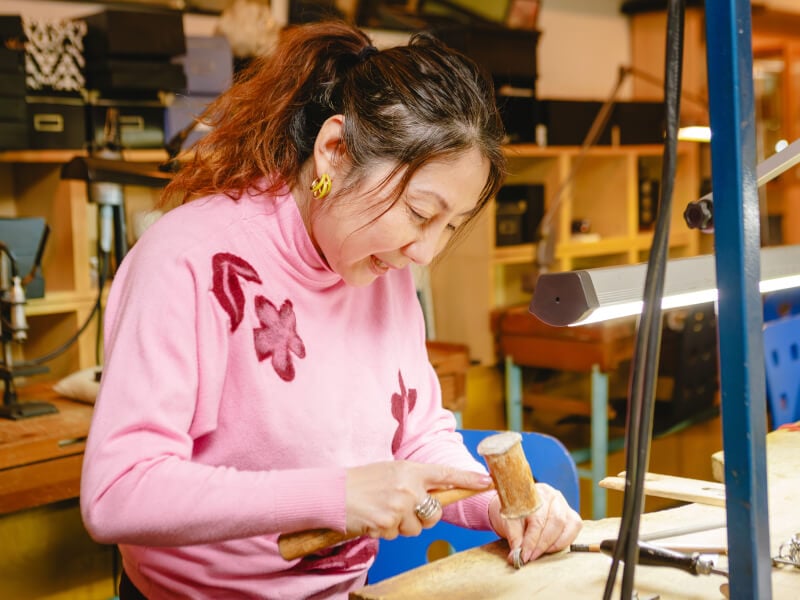
Most workshops give you a finished object to take home. Jewellery classes go one better: the recipient walks out wearing it. That's the bit that sets the craft apart — a ring, a pair of earrings, a pendant they made themselves and put on the moment the studio doors closed behind them. Every time someone compliments it, they get to say 'I made this,' which is one of the small daily pleasures handmade jewellery quietly delivers.
It's why jewellery is one of the more satisfying thoughtful gift ideas for jewellery lovers — the present and the keepsake are the same object. Most other workshop gifts produce something that goes on a shelf. This one produces something that goes on the body.
2. Anyone can do it — even total beginners
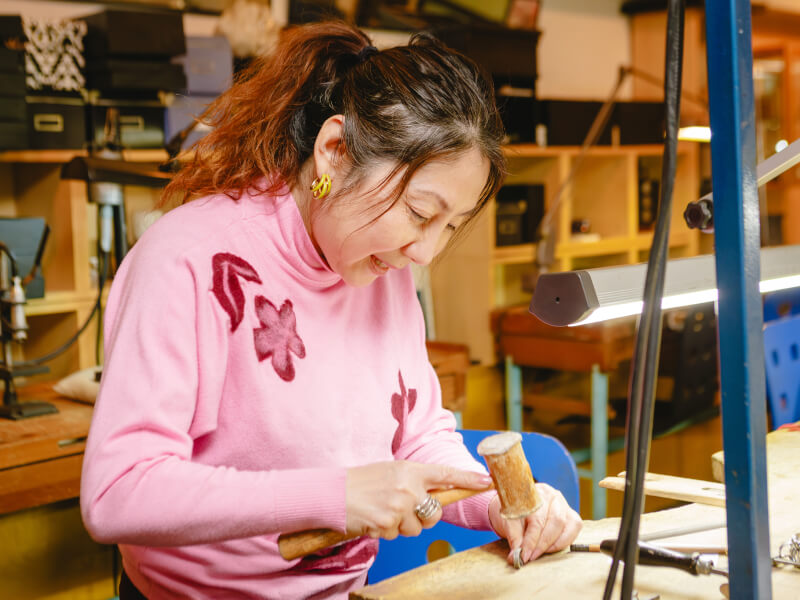
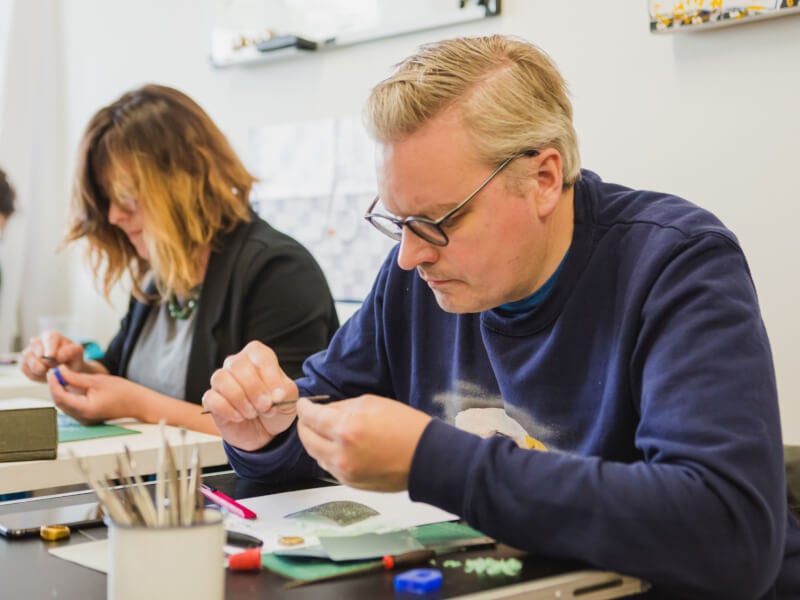
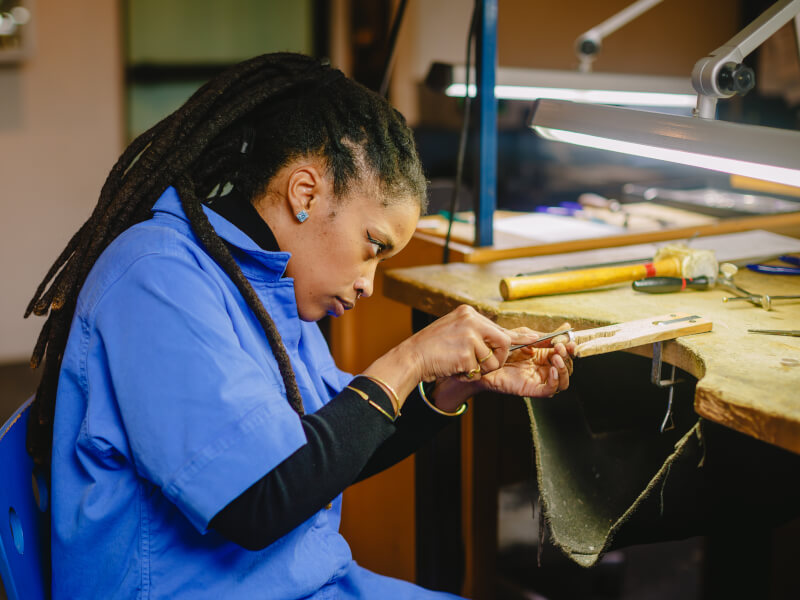
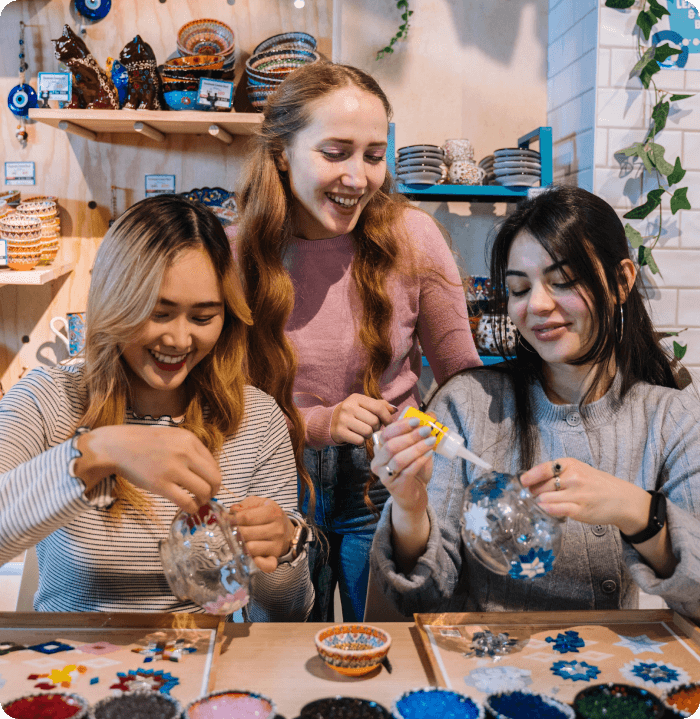
The big myth about jewellery making is that it's for people who already know how. It isn't. Most ClassBento jewellery classes are pitched at absolute beginners, with the teacher walking you through the basics — how to file, how to solder, how to wire-wrap, how to bead-string — in the first half of the session. By the end you've made the thing.
That makes it a strong gift for someone who's never done a craft class before. There's a low-ish technical barrier, a high reward (you walk out with a finished piece), and a teacher in the room making sure no one gets stuck. None of the 'I won't be any good at this' anxiety that puts people off other crafts.
Classes to explore:
- Silver stacking ring making class in Orpington, London — run by Collette Dawn, a jewellery with over 20 years' experience at the bench, pitched at total beginners.
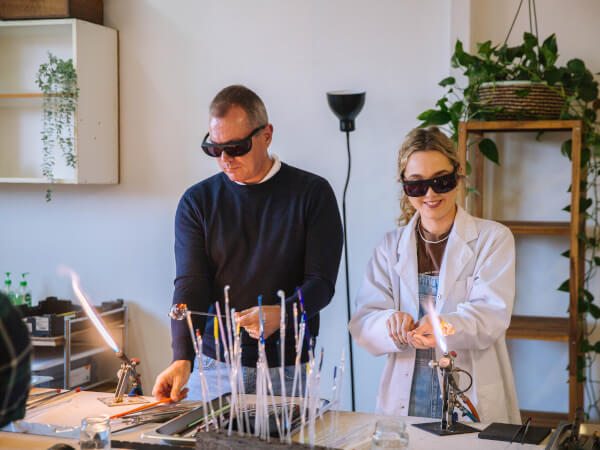
- Glass jewellery making class in Manchester— small-group format, no prior experience needed.
- Beaded jewellery making workshop in Brighton — relaxed, sociable, ideal for a first crafty afternoon.
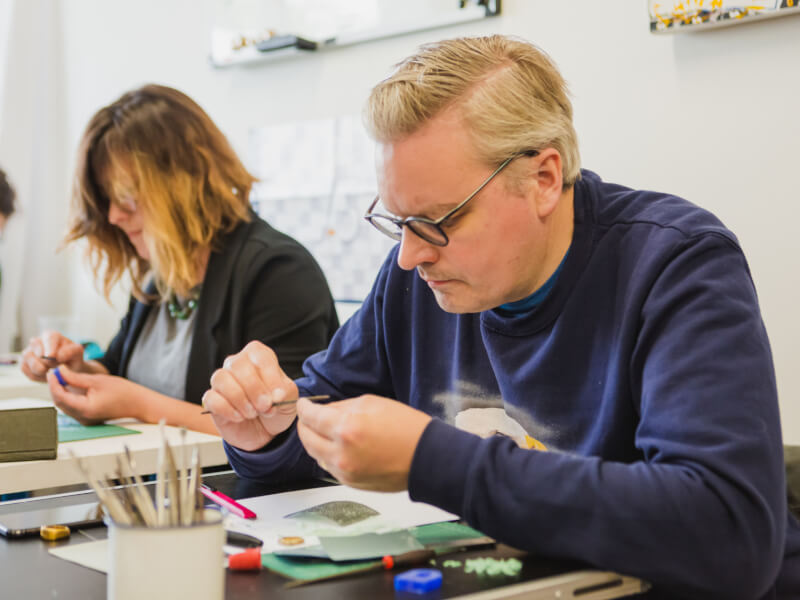
3. The piece is properly personal
Off-the-shelf jewellery is fine. Jewellery someone made themselves, choosing the materials, the colour, the design — that's a different thing entirely. In a class the recipient picks the gemstones, decides on the band width, chooses between matte or polished, opts for a slim stack or a chunkier statement piece. Every decision is theirs.
That's what makes it work as one of the cleanest reasons to gift a jewellery workshop: you're not picking the jewellery for them, you're giving them the means to pick it themselves. No risk of getting the style wrong. No 'will she actually wear it' worry. The recipient builds the piece around their own taste.
4. It's calming, and you can build in something sentimental
Jewellery making is fiddly in a good way — the kind of focus that quiets everything else down. You're working small, working slow, paying attention to a single piece for an hour or two. Most people leave classes saying the same thing: I didn't think about anything else the whole time. That's the calming bit, and it's one of the underrated benefits of learning jewellery making — the craft acts as a small mental reset alongside producing the actual object.
The other layer to this: a lot of techniques let you build something sentimental into the piece. Sea glass picked up on a specific holiday. A bead from a grandmother's old necklace. A small pressed flower set in resin. Tell the teacher in advance and most will help work the keepsake into the design. It turns a workshop gift into a genuine heirloom — a piece that holds a story as well as a memory of the day it was made.
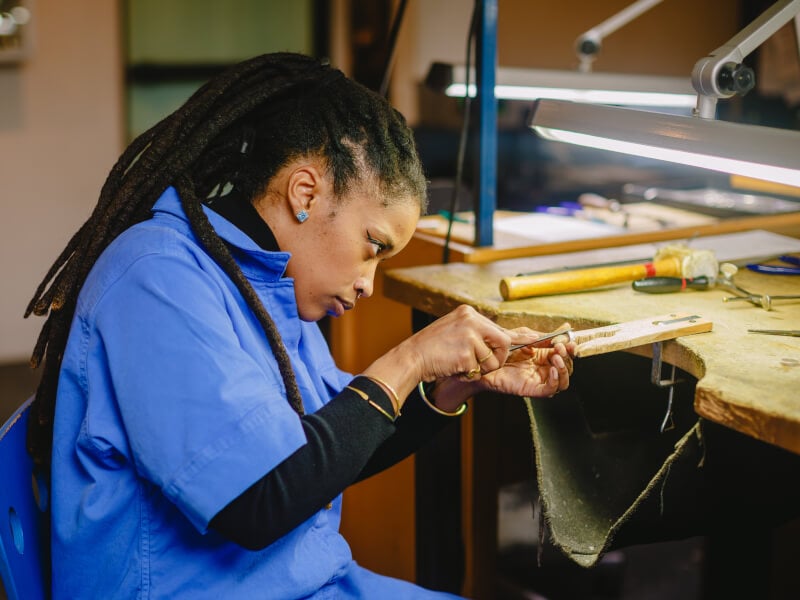
5. The keepsake outlasts the class
Most workshop gifts are about the day. A pottery class is a great afternoon, but the bowl you take home is, frankly, often a slightly wonky bowl. Jewellery is different — the piece you make is the kind of thing that stays in rotation for years. Decent silver, properly set stones, well-finished beadwork: these last.
That gives jewellery classes an unusual gift profile. The recipient gets the experience (a few hours of focused, hands-on craft) and a piece they'll wear long after the class is forgotten. It's the rare workshop where the souvenir isn't a souvenir — it's just a piece of jewellery they own.


6. It's a calmer, more focused craft than most
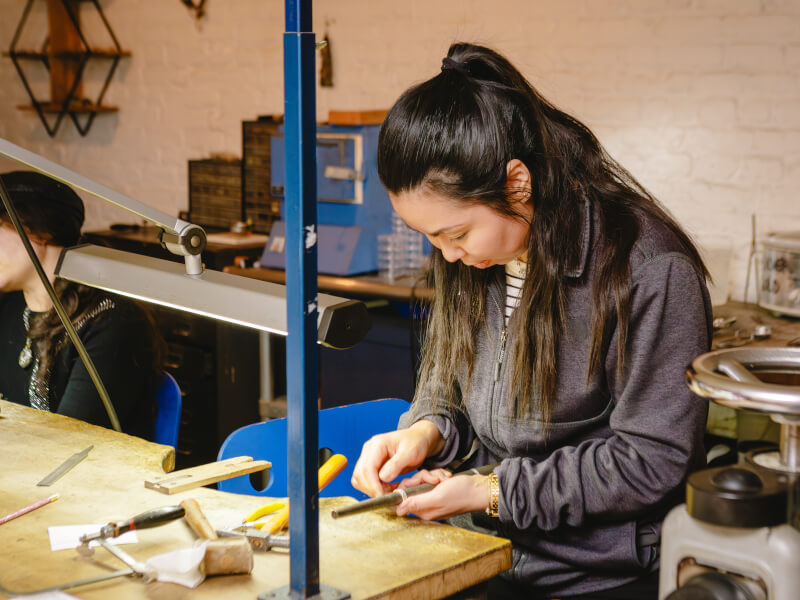
A lot of workshops are sociable in a high-energy way — paint and sip, group cooking, tufting with the gun going. Jewellery sits at the other end. The studios are quiet, the benches are individual, the work is detailed. If the person you're buying for would rather not spend a Saturday afternoon in a noisy room, this is one of the better answers.
It also makes it a good fit for a quiet date — couples doing it side by side, working on their own pieces, occasionally looking up at each other. You're together but you're each focused on something specific. People often say it's the most relaxed they've felt in weeks.
7. It's surprisingly affordable for a creative gift
The price reputation around jewellery is a bit misleading. Buying handmade silver from a maker is expensive (rightly — they did the work). Booking someone a class to make their own silver piece is much less expensive than people expect. Most ClassBento jewellery workshops sit in the £40–£90 range, with materials included.
That puts jewellery classes squarely in mid-tier gift territory — the right band for partners, parents, siblings and close friends without needing a milestone occasion to justify it. For what the recipient gets out of the day (a few hours of teaching, a finished piece, materials, often tea and biscuits), it's properly good value.
Classes to explore:
- Metal clay jewellery making workshop in Woolwich, London.
- Eco resin earrings workshop in Edinburgh.
- Silver sea glass ring making class in Glasgow.
8. The maker gets the booking
The other quiet benefit: when you book a jewellery class on ClassBento, the money goes to a working maker — usually someone running their own studio, often selling their own pieces alongside teaching. That's the silversmith in Hackney, the resin artist in Edinburgh, the bead worker in Brighton. Small studios, real people, the proper independent-craft economy.
If 'shop small' matters to you when you're gift-shopping, this is one of the more direct ways to do it. The class fee covers the maker's time, the studio, the materials, and the long tail of work it takes to keep an independent practice going.
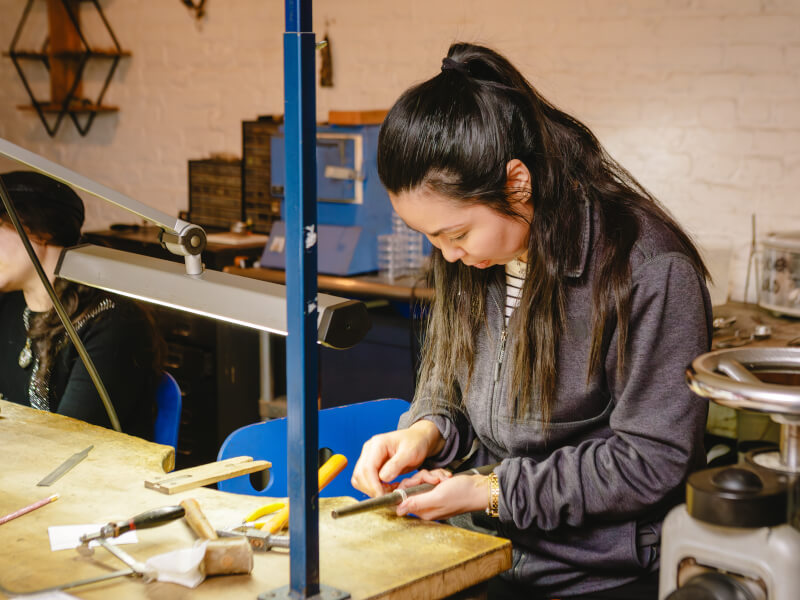
Which jewellery class is right for them?
Eight reasons in, the next question is which technique. The catalogue's wide enough that picking can feel paralysing — here's the quick filter.
- For the design-led recipient — silversmithing. Stacking rings, signet rings, simple pendants. Silver gives the most polished finish and feels the most 'real jewellery,' so it's the right pick for someone who values craftsmanship and wants a piece that reads as properly made. Slightly higher price point, slightly steeper learning curve, but the most rewarding finish.
- For the relaxed and social — beading and stringing. Brighton's bead workshop, Manchester's glass jewellery — these are the chattiest, most forgiving classes on the list. Lower technical barrier, more emphasis on creative play with colour and material. Good for someone who wants the afternoon out as much as they want the piece.
- For the eco-minded — resin and sea glass. Eco resin earrings in Edinburgh, sea glass rings in Glasgow. These workshops lean on reclaimed and natural materials, and the resin format especially lets you set in keepsakes (pressed flowers, beach finds, small mementos) for a piece that holds a story.
- For the tactile maker — metal clay. Metal clay starts as a malleable putty that fires into solid silver. It's the most hands-on of the techniques — you're sculpting more than fabricating, which suits people who like working with their hands and watching a thing take shape under their fingers.
What to expect on the day
Most jewellery workshops run two to four hours. The teacher provides all tools, materials and aprons; the recipient just brings themselves and maybe a notebook for design ideas. A small minority of techniques (cast silver, kiln-fired metal clay) need overnight processing — the studio either posts the finished piece on or holds it for collection a week later. Beading, wirework, resin, stacking rings and most silversmithing classes finish on the day, and the recipient walks out wearing the piece.
If you're booking for someone with allergies (nickel is the common one) or a hand-mobility consideration, message the teacher beforehand — most studios accommodate easily with notice.
The short version
Jewellery classes work as a gift because the keepsake is the experience: the recipient spends a few quiet, focused hours making something they then wear for years. They're affordable, beginner-friendly, calming, and personal in a way most workshops aren't.
If you'd like to browse, our full range of experience gifts covers every craft and most cities, and our dedicated page for jewellery making classes lists every workshop in the catalogue. Pick one, book it, and let the maker do the rest.